

Resolve to ask better questions
The 12 alignment questions to ask before you launch, communicate, or commit.
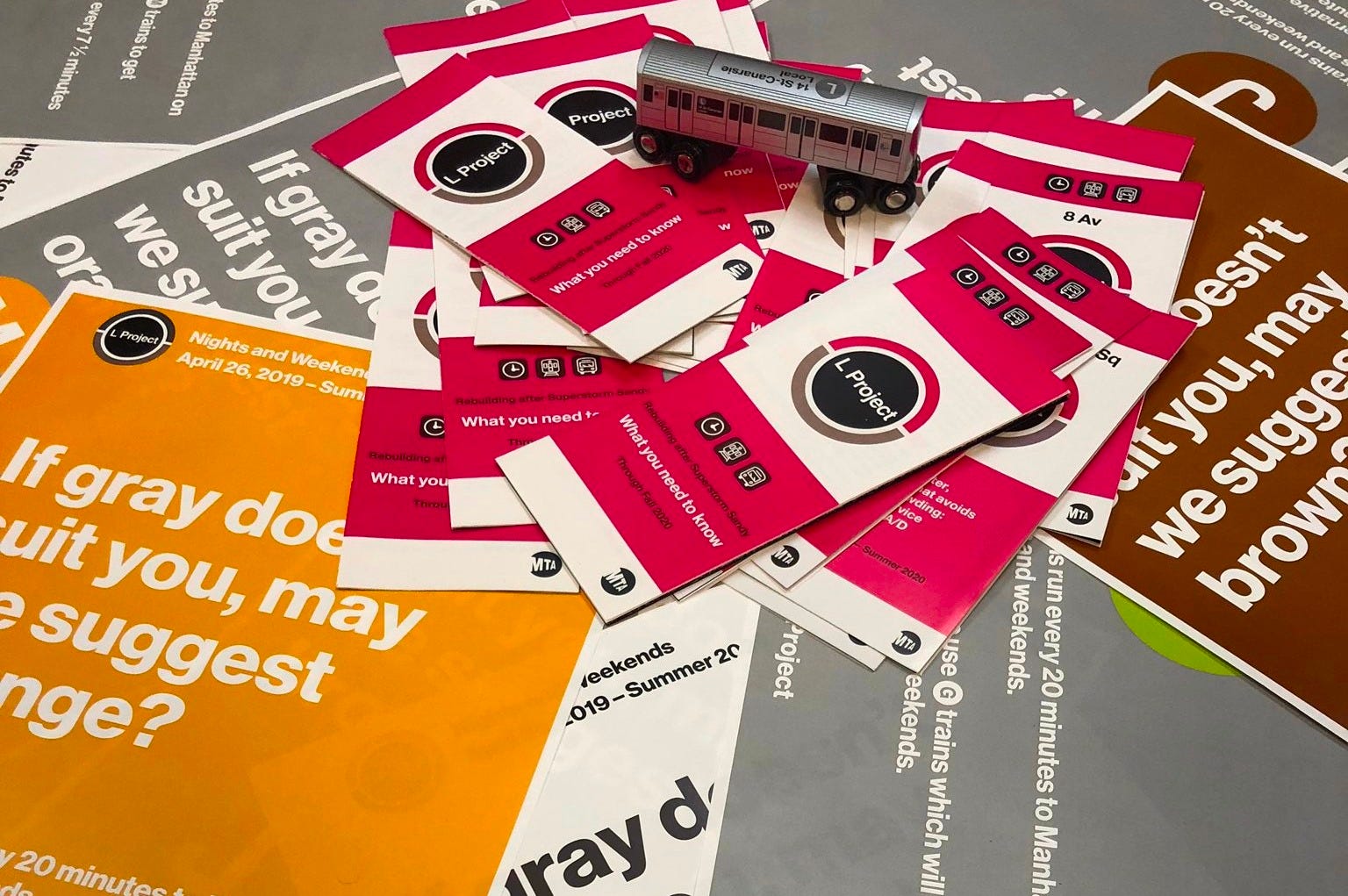
I started my role leading communications for the L tunnel reconstruction project (L Project) at the MTA on July 9, 2018—more than a year and a half after the project launched. The community was engaged, the media was watching, and the messaging was already out there. I was walking into a story already in motion.
At first, I thought joining mid-stream was a weird accident of timing. Then I realized: this is every communications situation. Your parent’s medical crisis? You’re coordinating with siblings with different versions of the diagnosis. That cross-company initiative at work? It’s already been approved by the board and executive team, who have their own ideas of success. We’re constantly trying to communicate about things from the middle, because every person involved—whether they’re your colleagues or customers—brings their own version of reality.
Unfortunately, it took a poorly executed comms plan that got me called in front of the leadership team for me to fully understand the value of alignment in effective communications.
Here’s what happened—and how it helped me discover the most important questions to ask when starting any project or plan that will need to get communicated with other people (and a downloadable version you can use, too!).
Not a good Wednesday at the office
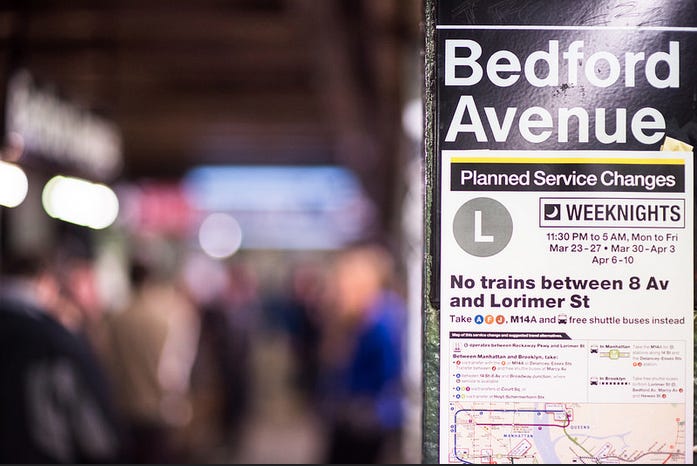
Because the New York City subway runs 24/7, maintenance is scheduled for the least busy times. This means “Weekend Service Change” signs are just as much of the underground NYC landscape as pizza rat.
So when the subway operations planning team told me that there would be no L train service for five consecutive weekends to do prep work for the construction project, I didn’t think much of it. “Let’s post signage a day earlier than usual,” I said. “Wednesday.”
What I didn’t know is while these kinds of service changes are common, they aren’t equal. Specifically for the L train, what wasn’t equal was the media and political attention. Every change was scrutinized, and therefore required a different kind of communications strategy than other service changes.
I didn't know it because I skipped alignment and jumped straight to tactics. I optimized the “when” (Wednesday vs. Thursday) without asking whether standard procedure even applied. I never asked: Who are the stakeholders for this change? Why are we doing it? Why now?
All of this became clear when a local journalist saw one of the service signs and asked our press team member what the heck was going on, and our press team member called me to ask the same.
It became even more clear when the emergency leadership meeting was called to figure it out.
“Kaitlin, I think we all know this can’t happen again. So let’s move on, starting now.”
Getting called out was the worst. But that emergency meeting showed me the power of alignment in the flesh: getting everyone who needs to act on the same page about why we're doing something, who it affects, what success looks like, and what could go wrong. Not just agreeing on tactics (“post signs on Wednesday”), but getting clear on the situation in order to get to the strategy (why this service change is different, who will care, how to proactively manage it). The brief I built codifies that alignment conversation into 12 questions you ask before you act.
The one document I use the most
Coming from Edelman where creative briefs and scoping sessions were part of the kick-off process, I had templates and guides that I had saved along the way. I perfected the project alignment brief at the MTA.
Now, the brief is the file I pull up and reuse the most. It helped me roll-out a homegrown software product internally at Jacobs. It was the post-inauguration starting point when the Joint Office of Energy and Transportation had to assess our future. And when I did a workshop recently teaching early career public sector professionals how to communicate anything, I included it as the primary leave-behind.
You can get the whole thing here. It’s 12 questions that get at three core elements: what’s the change we’re making, who are we making it for, and what is happening in the world all around that change that we need to understand. Think of it as your thought partner in finding the strategy behind whatever you need to communicate.
My favorite question (okay, it’s three questions) and the one I tell everyone to ask no matter the situation:
What change do we aim to make? What’s the goal of doing it? What’s the targeted outcome?
For the L train weekend closures, the real goal wasn't “inform riders about service changes” (that's every weekend). It was “maintain community trust in a high-scrutiny project where any misstep becomes a political story.” That distinction completely changes your communications strategy.
My hope is that this guide will do one of two things: 1)get you over the indecisive hump of starting the thing you want to do or 2) make the thing you’re working on more effective and durable. As entrepreneur and one of my favorite marketers, Seth Godin, says in “This Is Strategy,”
“Consider this for a moment: Professional projects have project managers. If it’s important, we don’t wing it, or hope for the best. Instead, we’re thoughtful and intentional.”
And before you can be intentional, you need alignment—and that starts with asking the right questions upfront. I learned this the hard way. So here's my January challenge: Before you jump into your next project, initiative, or big communication, spend 30 minutes with these 12 questions. Write it down. Get aligned. Then execute with confidence.
Thanks for reading Trust Issues, the Tuesday newsletter bringing you ideas on how and why people and ideas change, and the role of trust.
Liked what you read? Share with a friend or just give it a heart. <3
I once worked for a Executive Vice President,later President who had a favorite saying: "Once you define a problem (project), you have it half solved." I don't know if that was original with him and it's too general to be really true but it was a good way to remind people what they need to do first. Your three questions will serve to define a project or problem well.